Organic fertilizer for plants
Fertilizers are essential for plant growth. The major nutrients and macronutrient fertilizers required for plant growth are NITROGEN, PHOSPHORUS, and POTASSIUM.
N:- Nitrogen is required for the growth of foliage, which is the leaves of the plant.
P:- Phosphorus is required for strong root growth, flowering, and fruiting.
K: Potassium is required for the important functional processes of the plant and makes the plant healthy.
Micronutrients are also essential for plant growth, including iron (Fe), boron (B), chlorine (Cl), manganese (MN), zinc (Zn), copper (cu), sulfur, and many more.
As we know, chemical and synthetic fertilizers can be harmful to plants. In place of chemical fertilizers, we can use organic fertilizers for plants.
Here are some organic fertilizers for plants
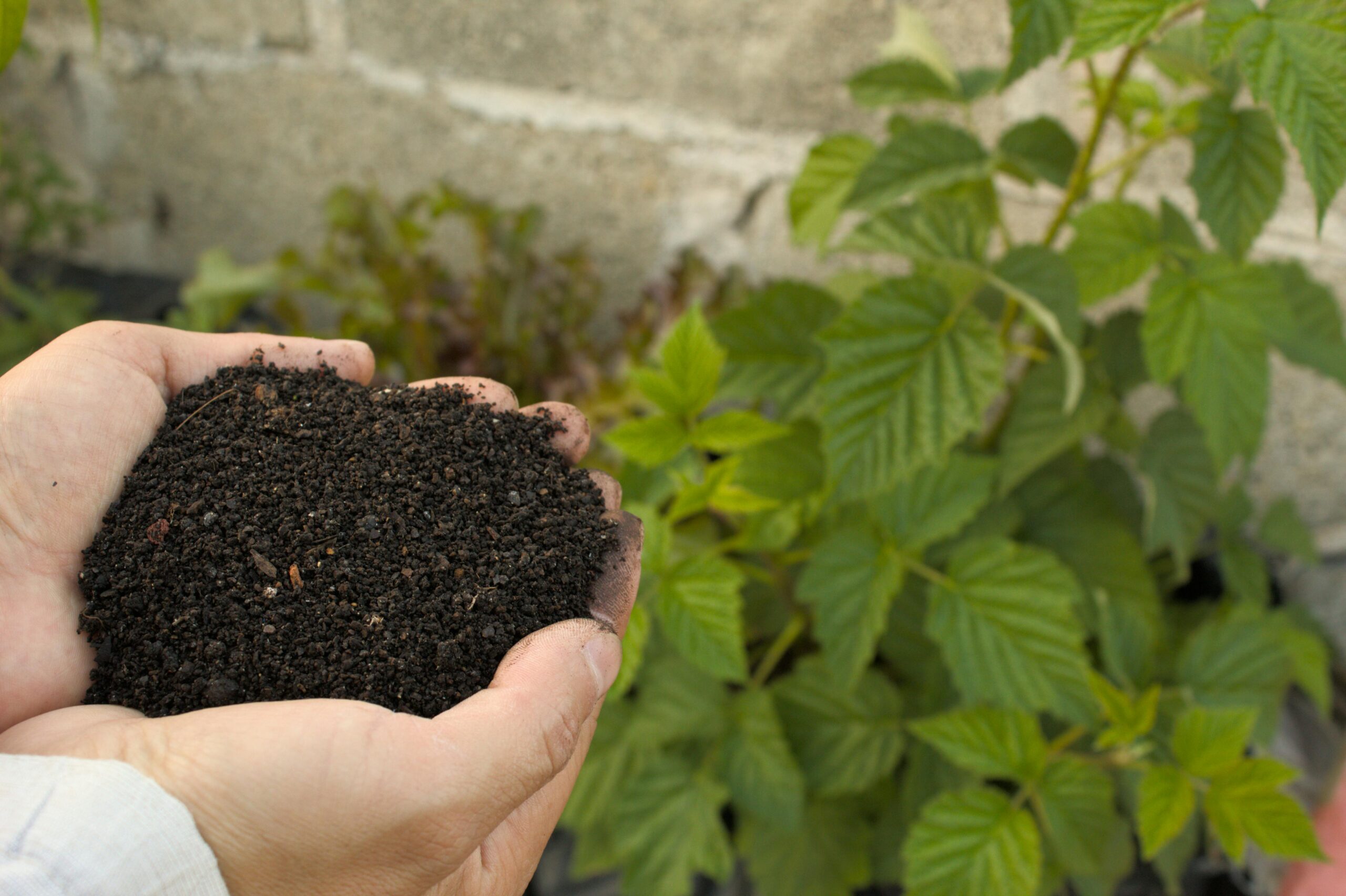
Cow Dung Manure
Cow dung manure has been a universal fertilizer for ages. It is a slow-release organic fertilizer for plants. It contains nutrients such as nitrogen, phosphorus, and potassium (NPK). The NPK ratio of decomposed cow dung manure is approximately 1:0.5:1.
Apart from NPK, it also contains calcium, magnesium, and sulfur, which are essential for plant growth. Cow dung is rich in organic matter, which keeps the soil friable and well aerated.
It makes clay soil suitable for gardening, helping roots to grow deeper, and sandy soils, it helps retain water and nutrients. Cow dung fertilizer is a natural alternative to chemical fertilizers.
Due to its slow release, it provides nutrients to the plant promptly, reducing the risk of nutrient burn.
Cow dung manure can not be used as fresh compost because it is too strong and can harm plants. Let cow dung decompose for 3–6 months, then use it in a 30% ratio with soil when preparing potting mix for plants.
Apart from mixing it into your potting mix, using a handful of cow dung manure once or twice a month is sufficient for most flowering and fruiting plants.
Vermicompost
Vermicompost is nothing but earthworm feces. It is one of the best organic fertilizers for plants and soil conditioners, rich in nutrients essential for plant growth.
Its NPK ratio is typically 2:1:1 and can be used as a substitute for or in combination with cow dung manure. In addition to adding it to your pots at a ratio of about 30%, a handful of vermicompost once a month or twice a month is usually sufficient for most flowers.
Blood Meal
Blood meal is a fast-acting organic fertilizer for plants, made from animal blood. It has an NPK ratio of approximately 12:1.5:0.5. This means that it has a high amount of nitrogen and a low amount of other elements.
One of its advantages is that it acts promptly as a chemical fertilizer and may quickly overcome nitrogen deficiency.
One major drawback of using this fertilizer is that it is highly acidic, and like chemical fertilizers, it can burn the plants if used excessively.
Use Blood meal Fertilizer, only half to one teaspoon of this near the roots of the plants, and water the plants. Wait for two weeks to see the result.
Fish meal
As the name suggests, it’s an organic soil amendment made from dried, ground, and processed fish or fish bones. Fish meal has an NPK ratio of about 10:6:2.
Fish meal is a fast-acting organic fertilizer for plants similar to blood meal. Apart from nitrogen, it has a decent amount of phosphorus, calcium, magnesium, and trace minerals as well.
Chicken Manure
It enhances microbial activity in the soil, improving fertility and structure. It is also the best organic fertilizer for plants.
Chicken or poultry manure is rich in nitrogen(N) and is fast-acting, so excessive application can easily burn plants. Nitrogen is essential for leaf growth. chicken manure(commercial) has an NPK ratio of 4:3:3 or 5:3:2, depending on processing.
Fresh chicken manure contains high levels of nitrogen and ammonia, which can burn plants, so it should be used in small amounts.
Chicken manure needs to be composted or aged for several months before use; if applied raw, it can harbor pathogens such as Salmonella and harm plants. The best way to use chicken manure is to add a small amount of manure to the soil before planting.
You can also sprinkle a small amount of chicken manure on the soil to quickly heal a plant with a nutrient deficiency.
Bone Meal
Bone meal is made from crushed animal bones, which is available either as finely steamed bone meal or as a slow-release coarse powder, which lasts for the entire growth cycle of the plant.
Bone meal promotes flowering, fruiting, and root development due to its rich phosphorus content. It is also a rich source of calcium, which improves cell wall strength in plants and prevents problems like blossom end rot in tomatoes and peppers. Bone Meal has an NPK of approximately 3:15:0.
Bone meal fertilizer works best in acidic to neutral soil (PH below ~7). To use Bone meal, adding one tablespoon per medium-sized (12-inch pot volume) container mixed into the potting soil is sufficient.
Bone meal should be mixed into soil near roots, not just left on the surface. The drawback of Bone meal is that it attracts dogs and some wildlife, such as raccoons, since it’s made from bones.
Rock Phosphate
Rock phosphate is a vegetarian alternative to bone meal, with high phosphorus content. It contains approximately 25-35% phosphorus, but only 3-7% of it is immediately available to plants.
It also contains calcium(Ca), approximately 25-30%, Iron, magnesium, and many other trace minerals.
To use rock phosphate, add 1-2 tablespoons to the potting mix volume of a 12-15 inch container, or use 1-2 tablespoons once in 3 months per plant already in soil or potted.
Organic micronutrient granules
Organic Micronutrient granules provide the “minor” but essential nutrients that plants need in small amounts, such as Zinc (Zn), Boron (B), Iron (Fe), Manganese (Mn), Copper (Cu), Molybdenum (Mo), Often mix with organic carriers such as Humic acid, fulvic acid, or amino acids which improve nutrient absorption.
Add 1 teaspoon of Organic Micronutrient granules per plant once a month.
Neem cake powder
Neem cake powder is an organic fertilizer for plants. It also acts as a natural soil pesticide. Neem cake powder fertilizer is 100% natural and biodegradable. It has an NPK of N=2-5%, P=0.5-1%, K = 1-2%.
Neem cake powder also contains calcium, magnesium, and other trace minerals. You can use it as compost. Mix about 1 handful while preparing potting mix, or sprinkle it around potted plants, 1–2 tablespoons per pot of 8–10 inches, monthly.
You can also make a liquid fertilizer or neem cake tea by adding 1 handful of neem cake powder per litre of water and allowing it to brew for at least 24 hours. Then water your plants directly.
Mustard oil cake powder
Mustard oil cake powder enhances soil fertility and microbial activity in soil. It is a slow-release organic fertilizer for plants and can be used with compost to enrich it. Mustard cake oil also acts as a Natural pesticide and repulses nematodes, soil grubs, and some other fungal diseases. It has an NPK ratio of 5:2:2, approximately.
Mustard oil cake is rich in organic matter and trace elements.
You can use one handful of mustard oil cake powder in the potting mix and 1–2 teaspoons per medium-sized pot (8- 10 inches) once a month in already potted plants. To use before mustard oil cake powder, soak it in water for 24 hours; if applied raw, it can cause root burn.
Epsom salt
Epsom salt is a rich source of magnesium and sulfur for plants. Magnesium is essential for producing Chlorophyll, and it improves photosynthesis and energy transfer. Epsom salt helps plants absorb nitrogen and phosphorus.
Sulfur is vital for enzyme activity and protein formation. Sulfur also adds flavor to vegetables and fruits (such as onions, garlic, and tomatoes). Epsom salt has no nitrogen, phosphorus, or potassium; its NPK ratio is 0:0:0.
Seaweed
Seaweed fertilizer is a fast-acting organic fertilizer for plants with an NPK ratio of approximately 2:1:4. Seaweed fertilizer is high in potassium, and it also has plenty of trace elements such as iron, magnesium, zinc, and iodine.
Commercially, it’s available as either zyme granules or seaweed liquid extract, which also contains humic acid, fulvic acid, amino acids, enzymes, and other useful microbes.
Seaweed fertilizer also contains hormones such as cytokinins, Auxins, and gibberellins, which are responsible for stimulating plant growth.
You can use Fresh seaweed after rinsing off salt, directly as mulch. Seaweed meal can be used as a compost (1-2 handfuls) in soil. You can also add half to one teaspoon per plant once a month to nourish them with seaweed nutrients.
Other Organic fertilizers for plants
There are many other organic fertilizers for plants, such as Alfalfa meal, Cottonseed meal, Azomite, Feather meal, Green sand, Kelp meal, and Bat guano.